Aug 7, 2025
RAJESH KUMAR
UX Design Trends in 2025: Beyond the Interface
By Rajesh | Product Manager & UX Design Enthusiast In the last few years, UX has matured from being a “nice-to-have” to a critical differentiator in product success. As we move through 2025, the landscape has shifted — what users expect from a product today is far more nuanced, personalized, and context-aware than ever before. Whether you’re building for mobile, web, or multimodal environments, these UX trends are shaping how we design, deliver, and refine digital experiences.
1. AI-Powered Personalization Is the New Default
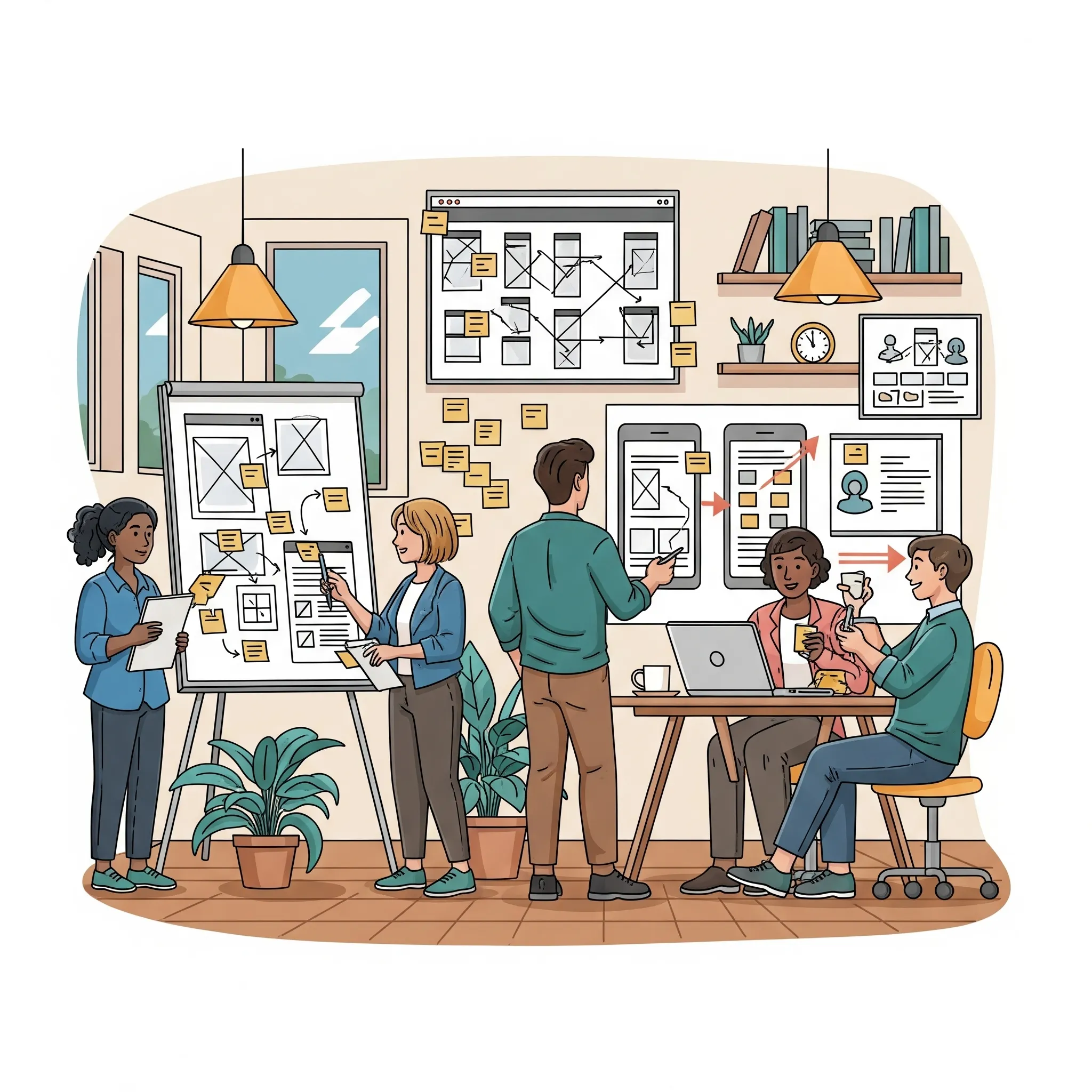
Personalization isn’t just about recommending products anymore. With generative AI and machine learning integrated into modern UX layers, systems can now adapt content, UI layouts, and workflows in real-time based on user context and behavioral signals.
Example:
Onboarding flows that dynamically adjust based on a user’s intent, previous usage history, or even inferred goals — completely changing the “one-size-fits-all” narrative.
Press enter or click to view image in full size
2. Voice & Multimodal Interfaces Are Going Mainstream
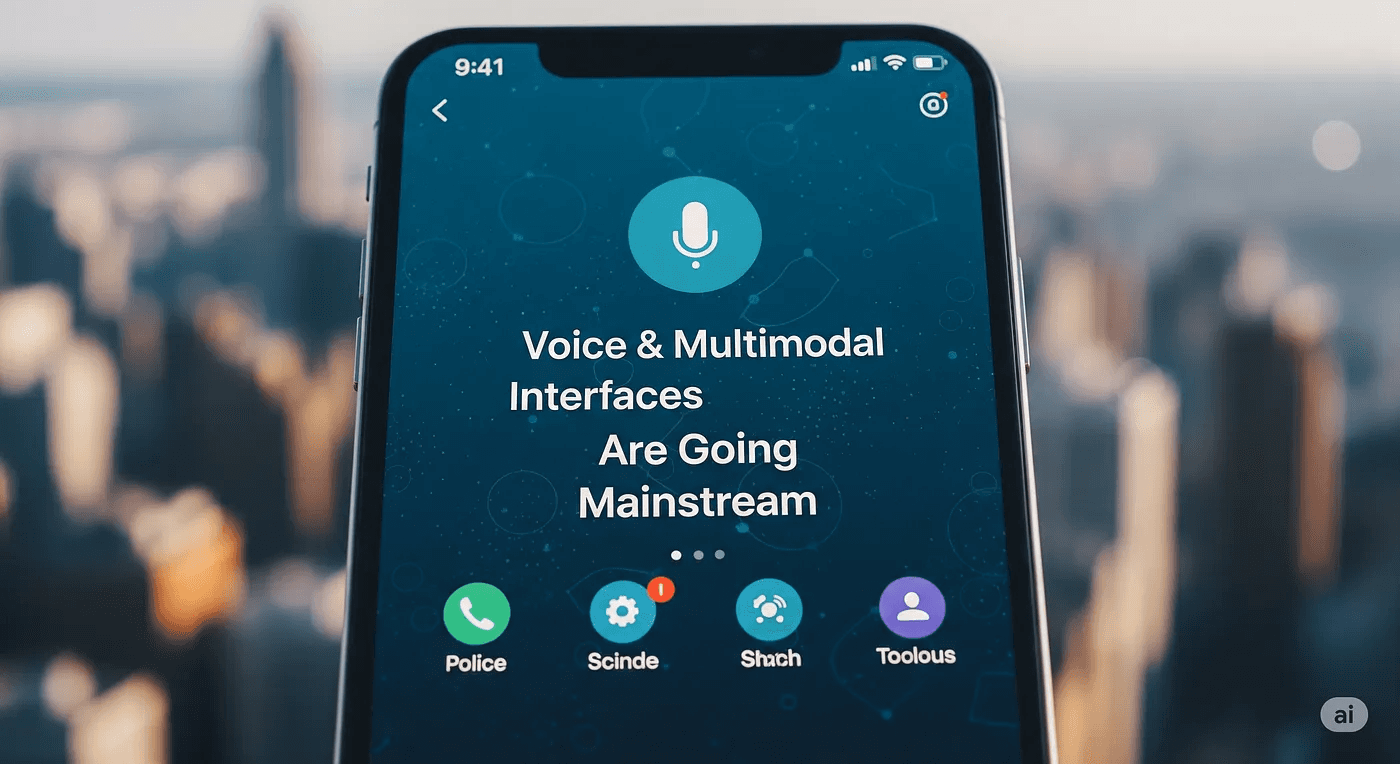
As devices become more ambient and distributed, UX is moving beyond screens. Voice commands, gestures, and haptics are now core components of product interaction — especially in automotive, healthcare, and smart home solutions.
Design Challenge:
Crafting flows that work seamlessly across text, voice, and touch interfaces — without disorienting the user.
Press enter or click to view image in full size
3. Motion Design as Functional UX
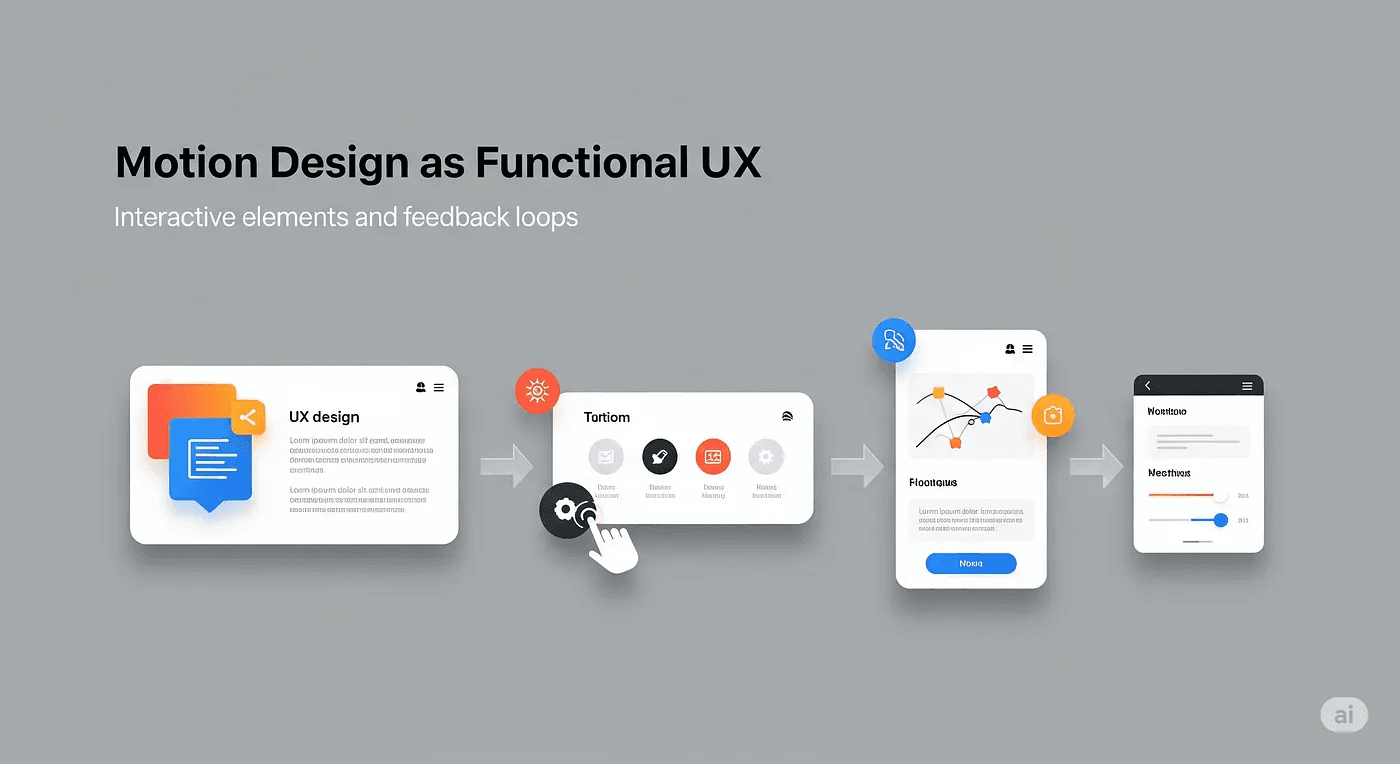
Motion is no longer just decorative. It helps explain complex interactions, establish hierarchy, and drive user focus. In 2025, good motion = good UX.
Tools in focus: Lottie, Framer Motion, Rive
Use Cases:
Confirming a successful action (e.g., payment success)
Providing micro-feedback (e.g., button tap animation)
Guiding next steps (e.g., onboarding sequences)
Press enter or click to view image in full size
4. Zero UI: The Rise of Invisible Interfaces
The future of UX is often invisible. Predictive systems, automation, and context-aware triggers are minimizing user interaction. In many successful products, the best UX is no UX at all.
Example:
A health app that silently tracks your steps and prompts hydration reminders without ever needing you to open it.
Press enter or click to view image in full size

5. Accessibility-First Design
Accessibility is finally being treated as a core product principle. With growing regulatory pressure and global inclusivity awareness, accessible design now covers more than screen readers or high contrast themes.
Emerging Focus Areas:
Designs for neurodivergent users (minimal UI noise, alternate feedback)
Adaptive UIs for cognitive load reduction
Press enter or click to view image in full size
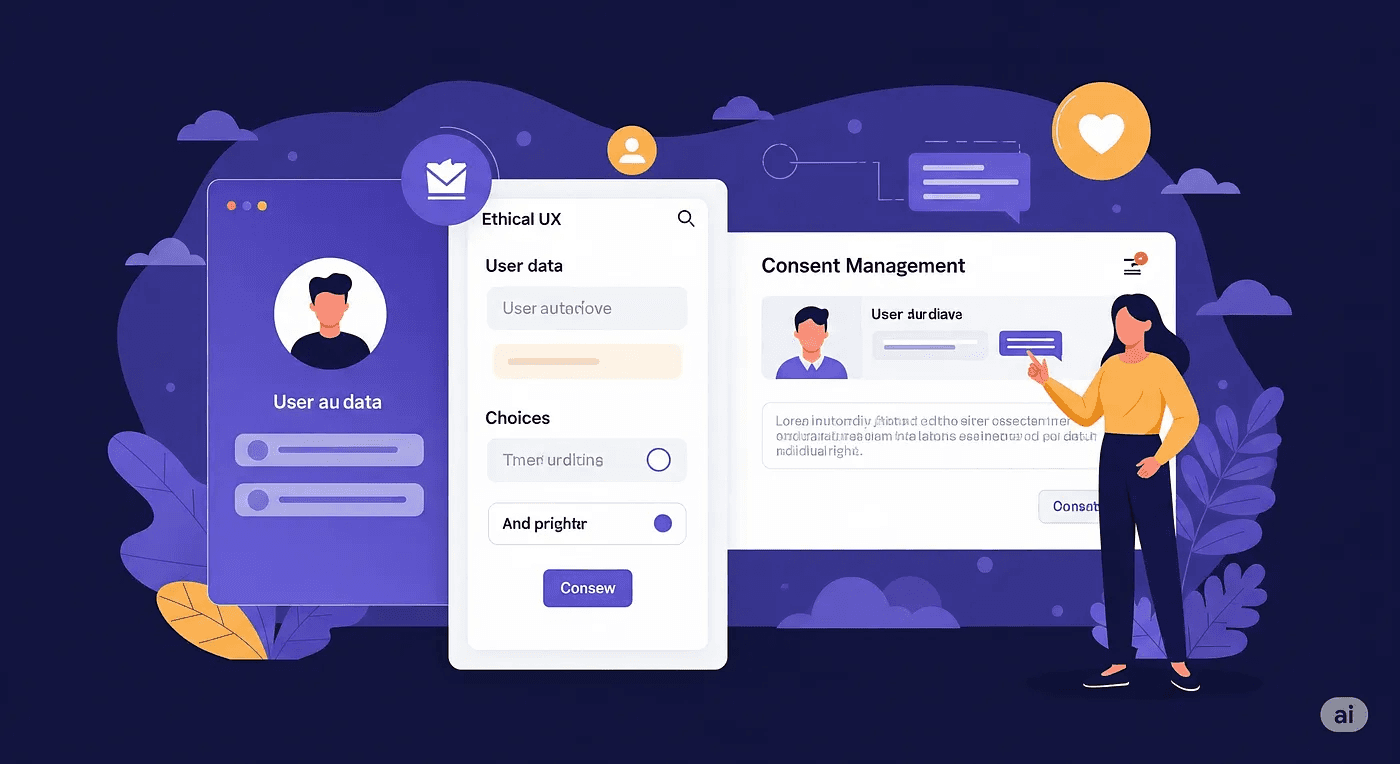
6. Ethical UX & Consent-Centric Design
Dark patterns are getting flagged, called out, and punished. In 2025, transparent design is a competitive advantage. Products must now clearly show:
What data they collect
Why it’s needed
How users can opt out or delete it
Countries like India (DPDP Act), EU (GDPR), and Brazil (LGPD) are mandating privacy-first user flows.
Press enter or click to view image in full size
7. Design Tokens and Scalable Systems
Cross-platform design consistency is no longer a dream. With design tokens and tools like Figma Variables, Storybook, and Style Dictionary, teams can create centralized design systems that work across Android, iOS, Web, and even AR/VR.
Press enter or click to view image in full size
8. Micro-Feedback and Emotional UX
In a crowded digital world, the small things stand out. A well-timed emoji, a micro-sound cue, or a subtle vibration can turn a neutral task into a delightful experience.
UX goal in 2025:
Make the user feel seen, supported, and empowered — even in 5-second interactions.
Press enter or click to view image in full size
Closing Thoughts
UX in 2025 is about designing for context, emotion, and ethics. It’s no longer limited to pixels on a screen — it’s about how products behave, communicate, and respect their users.
If you’re building digital experiences today, focus on:
Designing for interactions, not just interfaces.
Creating AI-aware, adaptive workflows.
Keeping accessibility and ethics front and center.
Testing motion, voice, and micro-feedback just as rigorously as buttons and layout.